
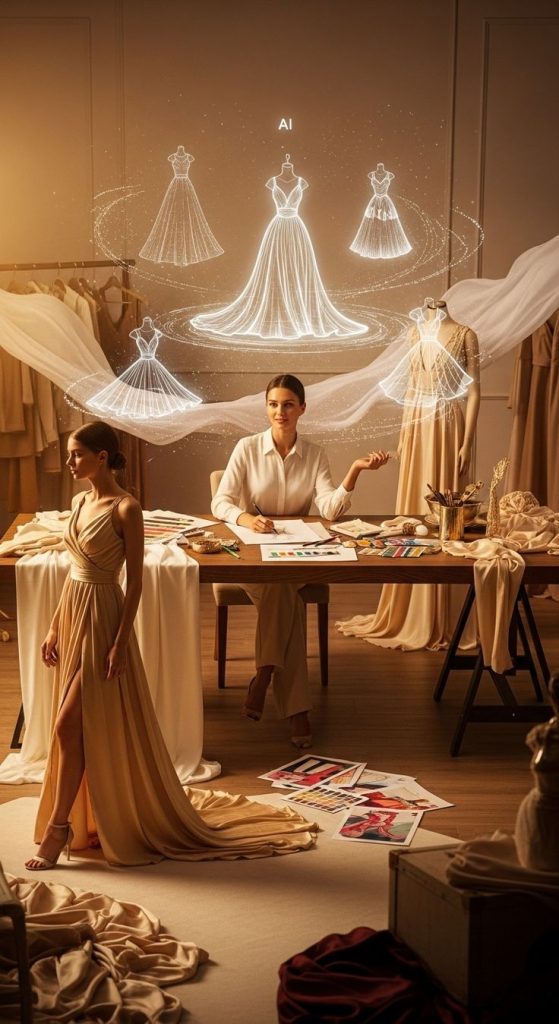
Designer fashion has long been associated with luxury, exclusivity, and high price tags. While many people see designer clothing as an indulgence, others increasingly view it as a smart financial and stylistic decision. High-quality craftsmanship, timeless design, and long-lasting value make designer fashion more than just a style choice. For fashion enthusiasts and conscious consumers alike, investing in designer fashion can offer both aesthetic satisfaction and long-term value.
Exceptional Quality That Lasts for Years
One of the biggest advantages of designer fashion is its exceptional quality. Luxury brands typically use premium fabrics, expert tailoring, and detailed craftsmanship that mass-produced garments often lack. These garments are created to last longer, maintain their shape, and retain their visual appeal even after repeated wear.
Because of this durability, designer pieces can remain part of a wardrobe for many years. Rather than replacing cheaper garments frequently, investing in well-made clothing can reduce the need for constant shopping while maintaining a polished and sophisticated style.
Fashion That Feels Like Wearable Art
Many designer pieces go beyond functionality and become expressions of creativity. Designers often treat clothing as wearable art, combining innovative silhouettes, intricate detailing, and thoughtful design concepts.
From handcrafted embellishments to carefully structured tailoring, luxury garments often reflect the vision and artistry of the designer behind them. This artistic quality gives designer fashion emotional value that goes far beyond everyday clothing. Wearing such pieces allows individuals to express creativity and individuality through their wardrobe.
Timeless Style Instead of Temporary Trends
Fast fashion is built around rapidly changing trends that encourage constant purchasing. Designer fashion, on the other hand, often focuses on timeless elegance rather than short-lived styles.
Many luxury garments feature classic cuts, refined colour palettes, and versatile designs that remain stylish across multiple seasons. These pieces can easily transition from one year to the next without looking outdated. This timelessness makes designer fashion a practical investment for those who want a wardrobe that evolves gracefully over time.
Strong Resale and Long-Term Value
Another reason designer fashion can be considered an investment is its potential resale value. Many luxury garments and accessories maintain strong value in the resale market, especially when they are well cared for.
Vintage fashion boutiques and online resale platforms have made it easier for consumers to sell pre-owned designer items. Limited-edition pieces or iconic designs can sometimes even increase in value over time. This growing resale culture has encouraged more consumers to view luxury clothing as an asset rather than simply a purchase.
Craftsmanship That Makes a Difference
One of the defining features of designer fashion is craftsmanship. Skilled artisans often spend hours or even days perfecting each garment. From precise stitching to high-quality finishing, every detail contributes to the garment’s overall quality.
This level of craftsmanship not only improves durability but also enhances the beauty and uniqueness of the piece. When consumers choose designer fashion, they are often supporting traditional craftsmanship techniques and highly skilled workers who bring these designs to life.
A Shift Toward Conscious Consumption
Modern consumers are becoming more mindful about how and why they shop. Instead of purchasing numerous inexpensive garments, many individuals now prefer buying fewer items that offer greater quality and longevity.
This shift toward conscious consumption has made investing in designer fashion a more appealing choice. High-quality garments often last longer, reducing waste and encouraging more thoughtful purchasing habits. By focusing on durability and design, consumers can build wardrobes that feel both meaningful and responsible.
Versatility and Styling Potential
Designer garments are often created with versatility in mind. A single piece can be styled in multiple ways for different occasions, which increases its overall value within a wardrobe.
For example, a well-tailored jacket, elegant dress, or structured coat can be worn at formal events, professional settings, or special gatherings depending on how it is styled. This adaptability allows individuals to maximise the use of each designer piece while maintaining a refined and stylish appearance.
Building a Signature Wardrobe
Designer fashion can help individuals build a signature wardrobe that reflects their personal style. Instead of constantly chasing trends, fashion enthusiasts can focus on timeless garments that remain relevant for years.
Over time, these carefully selected pieces create a cohesive wardrobe that feels both elegant and versatile. A signature wardrobe built around quality garments often requires fewer items overall, yet still offers a wide variety of styling possibilities.
Conclusion
Designer fashion is often viewed as a luxury purchase, but it can also be a smart investment when approached thoughtfully. High-quality materials, exceptional craftsmanship, and timeless design allow designer garments to maintain their appeal and value over time.
Whether appreciated as wearable art or valued for its durability and resale potential, designer fashion offers benefits that extend far beyond temporary trends. For those who prioritise quality, creativity, and long-term value, investing in designer fashion can be a meaningful and rewarding choice.

