
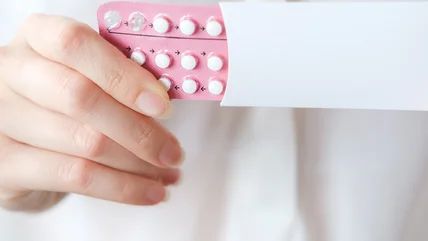
Birth control can be a powerful and supportive tool in managing your reproductive health. For many women, it offers convenience, predictability, and peace of mind. But while it works seamlessly for some, others may notice subtle or not-so-subtle changes in how their body feels over time.
The key is not to assume that every symptom is something you simply have to live with. Your body is always communicating with you. Learning how to interpret those signals can help you make more aligned decisions, especially if you’re thinking about long-term hormonal balance or even period recovery in the future.
How Your Body Adjusts to Birth Control
When you first start hormonal birth control, your body enters a phase of adjustment. This is because synthetic hormones begin to influence your natural hormonal rhythm, often suppressing ovulation and altering your cycle.
During this initial phase, it’s common to experience symptoms like mild nausea, breast tenderness, light spotting, or even slight mood fluctuations. These changes are usually temporary and tend to settle within a few months as your body adapts.
However, what’s important is how long these symptoms last and how they feel to you. If discomfort continues beyond the adjustment period or begins to interfere with your daily life, it may be your body’s way of saying that this particular method isn’t the best fit.
Irregular Bleeding: What Your Cycle Is Telling You
One of the most noticeable ways your body responds to birth control is through changes in bleeding patterns. While lighter periods or even skipped withdrawal bleeds can be completely normal on certain contraceptives, your cycle still offers important clues.
For example, occasional spotting between periods is common, especially in the beginning. But if bleeding becomes heavy, prolonged, or unpredictable over time, it may signal that your hormones are not fully balanced with your current method.
It’s also worth noting that the “bleed” experienced on hormonal birth control isn’t a true menstrual period, it’s a response to hormone withdrawal. This means that while things may appear regular on the surface, your natural cycle may still be suppressed.
This distinction becomes especially important if you’re thinking ahead about period recovery expert, as your natural rhythm may take time to re-establish once you stop using birth control.
Mood Changes and Emotional Awareness
Hormones don’t just affect your body, they influence your mind as well. Emotional well-being is closely tied to hormonal balance, which is why some women notice shifts in mood after starting birth control.
You might feel slightly more sensitive, experience occasional mood swings, or notice changes in how you respond to stress. In some cases, women report increased anxiety, irritability, or a lingering low mood that feels difficult to explain.
These changes are often subtle at first, which makes them easy to overlook. But over time, they can begin to affect your relationships, productivity, and overall quality of life.
Paying attention to your emotional patterns is just as important as tracking physical symptoms. If you feel unlike yourself for an extended period, it’s worth exploring whether your birth control could be playing a role.
Energy Levels, Libido, and Overall Vitality
Another area that often goes unnoticed is the impact of birth control on energy levels and libido. While not everyone experiences changes, some women report feeling more fatigued, less motivated, or disconnected from their usual sense of vitality.
A lower sex drive is also a common concern, though it’s not talked about as openly. This can sometimes be linked to changes in hormone levels, particularly those that influence desire and arousal.
These shifts may not seem urgent from a medical standpoint, but they matter deeply in terms of your overall well-being and sense of self. If you consistently feel less energized or less like yourself, it’s worth paying attention rather than brushing it aside.
Physical Symptoms You Shouldn’t Ignore
While mild side effects can be part of the adjustment process, there are certain physical symptoms that deserve closer attention especially if they persist.
Recurring headaches, noticeable weight fluctuations, ongoing digestive discomfort, or worsening skin issues like acne can all be signs that your body is not fully aligned with your current method.
These symptoms don’t always indicate something serious, but they do provide useful feedback. Your body is incredibly adaptive, but it also thrives when supported in the right way.
Ignoring persistent discomfort can sometimes delay addressing an imbalance that could otherwise be managed more easily.
The Hidden Impact on Your Natural Cycle
One of the most important things to understand about birth control is that it can mask underlying hormonal patterns. While it may create the appearance of a regular cycle, your body’s natural ovulation process is often paused.
This isn’t inherently harmful, but it does mean that you may not fully see what your natural cycle looks like until you stop using contraception.
For women who later consider period recovery, this can be an important realization. If your period doesn’t return right away after stopping birth control, it’s often not because of the birth control itself but because an underlying imbalance was always there, just temporarily hidden.
Recognizing this early can help you take a more proactive and supportive approach to your hormonal health.
When It’s Time to Reevaluate Your Birth Control
Not every symptom means something is wrong. But when patterns start to repeat or intensify, it may be time to pause and reassess.
If you find that side effects are lasting longer than a few months, your mood feels consistently off, or your physical symptoms are affecting your comfort, it’s reasonable to explore other options.
Birth control should feel supportive, not like something you have to tolerate. There are many different methods available, and finding the right one is often a process of listening, adjusting, and aligning with what your body responds to best.
Supporting Your Body Along the Way
Whether you choose to stay on birth control or eventually transition off it, supporting your body is always beneficial.
Nourishing yourself with balanced meals, managing stress levels, prioritizing rest, and maintaining a sustainable level of physical activity can all contribute to better hormonal balance.
These habits become especially valuable if you’re thinking about period recovery, as they help create the internal environment your body needs to restore its natural rhythm.
Trusting What Your Body Is Telling You
Sometimes, the most important signal isn’t something you can measure, it’s something you feel. A quiet sense that something isn’t quite right, even if everything looks fine on paper.
It’s easy to dismiss these feelings, especially when birth control is often presented as a simple, universal solution. But your experience is unique, and your body’s signals are worth listening to.
Final Thoughts
Listening to your body while on birth control isn’t about overanalyzing every symptom, it’s about staying aware and responsive. Small changes can offer meaningful insights into your hormonal health, especially over time.
Birth control is a helpful tool, but it should work with your body, not against it. By paying attention to how you feel physically, emotionally, and mentally, you can make more informed decisions that support both your present needs and your future goals including a smoother journey toward period recovery if and when you choose it.

